
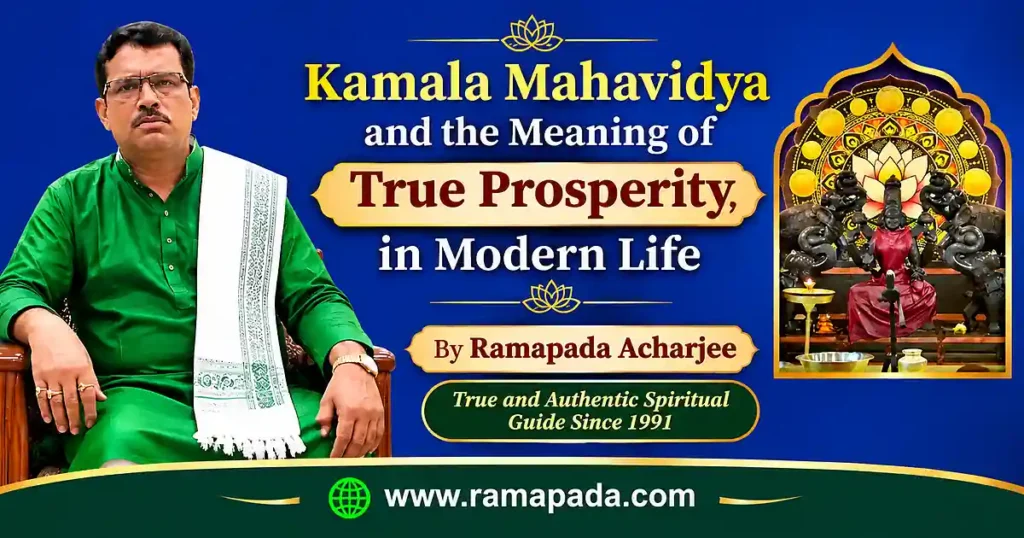
What does it truly mean to live a prosperous life? For some people, prosperity means owning a comfortable home or earning a steady income. Others picture a harmonious family, sound health, or freedom from debt. Every one of these aspirations deserves respect. However, the real meaning of prosperity becomes far more complex once money shapes personal choices and peace of mind.
Kamala Mahavidya offers a timeless spiritual lens for examining these everyday questions. Positioned as the tenth goddess in the Dasha Mahavidya tradition, Kamala shares a close bond with Sri Lakshmi. Moreover, her sacred symbolism unites the lotus, nourishment, auspiciousness, and holistic abundance. Her presence invites us to reflect on how we earn, manage, and share our resources.
Insights from Decades of Practice
Since beginning my astrological and spiritual practice in 1991, one core insight has guided my work. Specifically, material success and inner fulfilment do not always walk side by side. Many individuals achieve impressive financial milestones, yet they still worry endlessly about security or family harmony. While traditional philosophy cannot solve every practical problem overnight, it provides a grounded framework for aligning our priorities. Therefore, this article explores how Kamala Mahavidya speaks to modern life—focusing on financial responsibility, ethical ambition, and contentment. Readers new to this tradition can begin with my guide on Kamala Mahavidya: The Tenth Mahavidya and the True Path to Abundance.
আধুনিক জীবনে সমৃদ্ধি বলতে আমরা সাধারণত অর্থ, সম্পত্তি, ব্যবসা বা পেশাগত সাফল্য বুঝি। কিন্তু একটি সুন্দর জীবনের জন্য আর্থিক নিরাপত্তার পাশাপাশি স্বাস্থ্য, পারিবারিক সম্পর্ক, মানসিক স্থিরতা এবং নৈতিকতার প্রয়োজন রয়েছে। কমলা মহাবিদ্যার ঐতিহ্যগত প্রতীকগুলিকে এই বৃহত্তর জীবনবোধের সঙ্গে যুক্ত করে দেখা যায়। এখানে আধ্যাত্মিক ব্যাখ্যার সঙ্গে বাস্তব জীবনের দায়িত্বকেও সমান গুরুত্ব দেওয়া হয়েছে।
Why Kamala Mahavidya Still Matters in Modern Life
Living in a busy modern city brings financial pressures that previous generations rarely experienced. Today, household budgets must balance rising costs in education, healthcare, housing, and technology. Beneath these modern challenges, however, the timeless yearning for security and dignity remains unchanged.
Kamala’s sacred symbolism addresses this universal concern directly. Rather than promising effortless riches, her connection with abundance sparks a mature conversation about money and purpose. For instance, the University of Lethbridge Mahavidya research project examines Kamala’s deep ties with Lakshmi. Furthermore, it highlights her classical associations with beauty, fertility, and the lotus. These established meanings offer a sturdy anchor for modern reflection, though ethical lessons remain contemporary interpretations.
Prosperity Is More Than Financial Achievement
Imagine someone earning a generous income who rarely finds time for family or proper rest. Now, contrast that picture with a household managing moderate earnings, sensible expenses, and warm relationships. Neither scenario automatically proves which family feels happier. Nevertheless, both show why bank balances alone never tell the whole story of human well-being. True prosperity values practical financial security without reducing human worth to money.
আর্থিক সাফল্য গুরুত্বপূর্ণ হলেও তা একমাত্র মাপকাঠি নয়। প্রচুর আয় থাকা সত্ত্বেও পরিবারে অশান্তি বা উদ্বেগ থাকতে পারে। আবার সীমিত আয়ের সংসারেও পারস্পরিক সহযোগিতা ও পরিকল্পনার মাধ্যমে স্থিতিশীলতা গড়ে উঠতে পারে। তাই সমৃদ্ধির বিচার করতে হলে অর্থের পাশাপাশি জীবনযাপনের মানও বিবেচনা করা উচিত।
The Lotus as a Lesson in Personal Integrity
Among all of Kamala’s sacred emblems, the lotus holds special power. Rising unstained from muddy waters, this flower symbolises purity, auspiciousness, and inner growth. Additionally, the Smithsonian National Museum of Asian Art explores Lakshmi’s bond with the lotus and elephants. Their research illustrates the vital link between life-giving water, fertility, and abundance.
For modern householders, the lotus also serves as a practical metaphor for ethical conduct under pressure. Life seldom hands us ideal conditions. Indeed, workplace competition, financial strain, and sudden expenses constantly test our character. Even during turbulent seasons, choosing honesty and fairness keeps our integrity intact.
What Does the Lotus Teach About Success?
Three grounded lessons emerge from this timeless emblem:
- Success should not require dishonesty: Career growth is a worthy pursuit. However, deceiving clients or exploiting another person’s vulnerability creates lasting ethical harm. Genuine prosperity always leaves room for fairness.
- Difficult circumstances need not determine character: Financial strain can weigh heavily on anyone, making frustration completely understandable. Still, temporary setbacks never justify abandoning our core values or thoughtful judgment.
- Personal development takes time: Education, professional skill, and financial discipline mature gradually over years. Dramatic claims of instant transformation only distract us from steady, honest effort.
কর্মজীবনে উন্নতি করা স্বাভাবিক আকাঙ্ক্ষা। কিন্তু উন্নতির জন্য অন্যায় পথ গ্রহণ করা উচিত নয়। সততা বজায় রেখে কাজ করা এবং মানুষের বিশ্বাসের মর্যাদা দেওয়া একটি দায়িত্বশীল জীবনের অংশ।
আর্থিক সংকট মানুষের জীবনে বড় চাপ সৃষ্টি করতে পারে। এমন পরিস্থিতিতে হতাশা আসা স্বাভাবিক। তবে সাময়িক অসুবিধার কারণে নিজের মূল্যবোধ সম্পূর্ণ পরিত্যাগ করা উচিত নয়।
জ্ঞান, দক্ষতা ও আর্থিক স্থিতি সাধারণত ধীরে ধীরে তৈরি হয়। পরিশ্রম ও অভিজ্ঞতার গুরুত্ব উপেক্ষা করে দ্রুত সাফল্যের প্রতিশ্রুতির ওপর নির্ভর করা ঠিক নয়।
You can explore these sacred visual emblems further in my detailed article on Kamala Mahavidya Iconography and Sacred Symbolism.
Dharma and Artha: Earning Wealth Without Losing Values
Classical Indian philosophy openly affirms material well-being as a valid human goal. Within the four purusharthas—Dharma, Artha, Kama, and Moksha—Artha covers economic security, while Dharma anchors those pursuits in moral duty. Likewise, the Internet Encyclopedia of Philosophy’s discussion of Hindu philosophy outlines how these four aims work together harmoniously. Although Kamala sadhana and the purushartha model originate in distinct texts, viewing them together clarifies how wealth and ethics support each other.
1. Earning Money Through Fair Means
Every sustainable business relies on customers, employees, suppliers, and community trust. Honouring those human relationships matters every bit as much as balancing financial ledgers. Similarly, ethical professionals never promise outcomes they cannot reasonably deliver. Over my decades of consultation since 1991, maintaining transparent expectations has remained paramount. Ultimately, no one’s trust should ever be exploited for personal gain.
সৎভাবে অর্থ উপার্জন গৃহস্থ জীবনের একটি গুরুত্বপূর্ণ আদর্শ। ব্যবসায় গ্রাহকের প্রতি ন্যায্য আচরণ, কর্মক্ষেত্রে দায়িত্ব পালন এবং প্রতিশ্রুতি রক্ষা করা প্রয়োজন। ধর্মীয় বিশ্বাস কখনো প্রতারণা বা অযৌক্তিক অর্থদাবির অজুহাত হতে পারে না।
2. Understanding the Difference Between Need and Greed
Every household rightfully aspires to a secure home, reliable transport, emergency savings, and quality healthcare. Trouble begins when each new purchase sparks an endless urge to chase costlier status symbols beyond our budget. Spiritual contentment never demands giving up healthy ambition. Instead, it invites us to evaluate which goals genuinely enrich our lives.
প্রয়োজন ও অতিরিক্ত লোভের মধ্যে পার্থক্য বোঝা জরুরি। পরিবারের উন্নতির জন্য অর্থ ব্যয় করা স্বাভাবিক। কিন্তু সামর্থ্যের বাইরে প্রতিযোগিতামূলক ব্যয় করলে আর্থিক চাপ বাড়তে পারে। সংযম মানে ইচ্ছা ত্যাগ নয়, বরং ইচ্ছার যথার্থতা বিচার করা।
3. Using Wealth Responsibly
Material resources become truly meaningful when they fund education, medical care, family stability, and charitable service. Ownership alone never defines value. Therefore, a simple question keeps our priorities clear: once essential needs are met, can a sensible share uplift others? Any decision to give should always match personal capacity rather than outside social pressure.
অর্থের সদ্ব্যবহার সমৃদ্ধির একটি গুরুত্বপূর্ণ দিক। শিক্ষা, চিকিৎসা, পরিবারের নিরাপত্তা এবং প্রয়োজনমতো অন্যকে সাহায্য করার জন্য সম্পদ ব্যবহার করা যায়। তবে দান বা সহযোগিতা সামর্থ্য অনুযায়ী হওয়া উচিত।
Kamala Mahavidya and the Responsibilities of Family Life
Kamala’s sacred imagery highlights nourishment and sustaining care. Inside everyday homes, these timeless values come alive through practical responsibility rather than elaborate rituals. Family stability relies on mindful budgeting, emotional warmth, fair division of duties, and readiness for surprises. Thus, spiritual devotion complements this practical groundwork without ever replacing it.
Financial Planning Within the Family
Money frequently sparks tension when family members hold unspoken or conflicting expectations. For example, one partner may prioritize long-term saving, while another focuses on immediate household comforts. Often, friction stems simply from avoiding open conversations about income and expenses. Honest dialogue helps everyone align around shared priorities through three practical steps:
- Household essentials: Food, shelter, education, transport, and medical care must take priority over non-essential luxuries.
- Emergency preparation: Sudden medical bills or career shifts can disrupt careful budgets. Consequently, emergency savings and appropriate protection remain essential safeguards.
- Shared understanding: Major financial commitments deserve open discussion among all family members directly affected by those choices.
পরিবারের প্রাথমিক প্রয়োজনগুলিকে আগে গুরুত্ব দেওয়া উচিত। খাদ্য, বাসস্থান, চিকিৎসা ও শিক্ষার খরচ সম্পর্কে পরিষ্কার পরিকল্পনা থাকলে অপ্রয়োজনীয় চাপ কিছুটা কমতে পারে।
হঠাৎ অসুস্থতা বা অন্য বিপদের জন্য আর্থিক প্রস্তুতি রাখা উপকারী। পরিবারের আয় ও দায়িত্ব অনুযায়ী সঞ্চয় বা উপযুক্ত আর্থিক সুরক্ষার ব্যবস্থা বিবেচনা করা যেতে পারে।
সংসারের গুরুত্বপূর্ণ আর্থিক সিদ্ধান্তে সংশ্লিষ্ট সদস্যদের মতামত শোনা উচিত। আলোচনা ও পারস্পরিক বোঝাপড়া অনেক ভুল বোঝাবুঝি এড়াতে সাহায্য করে।
These habits represent everyday financial wisdom rather than a secret Tantric formula.
পরিবারের আর্থিক পরিকল্পনা একটি বাস্তব বিষয়। কমলা মহাবিদ্যার সমৃদ্ধির প্রতীককে এখানে নৈতিক ও দায়িত্বশীল জীবনযাপনের আলোচনার সঙ্গে যুক্ত করা হয়েছে। এগুলিকে সরাসরি শাস্ত্রীয় পূজাবিধান হিসেবে বোঝা উচিত নয়।
What Kamala’s Elephants Reveal About Abundance
In classical Gaja-Lakshmi iconography, majestic elephants stand beside the goddess pouring sacred water from vessels. Historically, this motif expresses royal dignity, fertility, auspiciousness, and overflowing abundance. Furthermore, a nineteenth-century Kamala and Bhairavi print preserved by The Metropolitan Museum of Art depicts Kamala seated upon a lotus while elephants bathe her. This artwork clearly demonstrates how deeply such imagery shaped Bengal’s devotional culture.
For modern readers, those pouring streams of water also remind us of the ecological foundations supporting all human wealth. Fertile farmland, clean drinking water, thriving ecosystems, and steady food production remain indispensable for survival.
Respecting the Resources That Sustain Life
Accumulated currency can never replace depleted rivers or damaged soil. Every prosperous society depends on clean water, food security, and careful stewardship of nature. Viewing Kamala’s nourishing symbolism through this lens inspires an ethical vision of prosperity that honours environmental care. Naturally, this represents a thoughtful modern reflection rather than a claim that ancient Tantric texts drafted environmental policies.
কমলার দুই পাশে গজরাজ ও জলধারার উপস্থিতি প্রাচুর্য ও পুষ্টির প্রতীক। জল, কৃষি ও প্রকৃতির সম্পদ ছাড়া মানুষের জীবনধারণ সম্ভব নয়। আধুনিক সময়ে এই প্রতীক আমাদের প্রাকৃতিক সম্পদের মূল্য সম্পর্কে ভাবতে সাহায্য করতে পারে। তবে এই ব্যাখ্যাকে প্রাচীন শাস্ত্রের সরাসরি পরিবেশনীতি বলে উপস্থাপন করা উচিত নয়।
Can Spiritual Belief Improve Financial Decisions?
Personal faith shapes daily habits differently for every individual. Many people find that quiet morning prayer creates space to examine their conduct and cultivate gratitude. Others draw clarity from family conversations, mentorship, or structured self-reflection. Every person walks a unique path, so no single routine fits everyone identically.
Most importantly, spiritual rituals cannot guarantee financial profits. Business downturns often stem from shifting market demand, weak planning, or rising operational costs. Similarly, personal debt usually involves high interest rates or unmanageable commitments. Practical challenges always require practical solutions.
Prayer Should Support Responsibility
Offering a sincere prayer before making an important life choice holds deep personal meaning. Nevertheless, the decision itself still requires solid facts, careful math, and realistic risk assessment. Launching a new venture demands researching customer demand, overhead costs, and working capital. Likewise, taking on a loan requires calculating monthly repayment capacity rather than relying on hopes of miraculous intervention.
ধর্মীয় প্রার্থনা অনেকের কাছে মানসিক স্থিরতা ও আত্মবিশ্বাসের উৎস হতে পারে। কিন্তু ব্যবসা শুরু করা, ঋণ নেওয়া বা বড় আর্থিক সিদ্ধান্তের ক্ষেত্রে তথ্য, হিসাব ও বাস্তব পরিস্থিতি বিচার করা অপরিহার্য। আধ্যাত্মিক বিশ্বাস যেন বাস্তব দায়িত্ব পালনের বিকল্প না হয়ে ওঠে।
Kamala Mahavidya, Gratitude and Emotional Well-Being
Gratitude is often praised as a personal virtue, yet it also anchors authentic spiritual devotion. Recognizing the daily support we receive from family, colleagues, friends, and neighbours deepens our appreciation for human connection.
Practising gratitude never means ignoring genuine pain or hardship. Anyone facing job loss, chronic illness, or heavy financial strain should never feel pressured to pretend everything is fine. Instead, mature gratitude holds space for both honest acknowledgment of difficulties and appreciation for existing support.
Appreciating What Is Already Present
Digital culture makes constant comparison almost effortless. Scrolling through social media exposes us daily to curated snapshots of luxury homes, vacations, and career highlights. However, such images rarely show the private debts, stress, or trade-offs behind the scenes. Chasing those illusions can push households into unwise spending. Therefore, Kamala’s serene presence invites a healthier reflection: which relationships and blessings already deserve heartfelt thanks?
কৃতজ্ঞতা মানে জীবনের সমস্যা অস্বীকার করা নয়। নিজের প্রাপ্তির মূল্য বোঝার পাশাপাশি বাস্তব অসুবিধাগুলিও স্বীকার করা যায়। সামাজিক মাধ্যমে অন্যের জীবন দেখে অকারণ প্রতিযোগিতায় জড়িয়ে পড়লে মানসিক ও আর্থিক চাপ বাড়তে পারে। তাই নিজের পরিস্থিতি অনুযায়ী লক্ষ্য নির্ধারণ করা গুরুত্বপূর্ণ।
The Difference Between Prosperity and Displaying Wealth
Celebrating genuine milestones is a joyful part of life. Purchasing a family home, finishing higher education, or reaching a savings goal often reflects years of patient dedication. Enjoying these achievements brings healthy satisfaction. Problems emerge only when projecting an image of wealth overrides actual financial safety and personal dignity. Hosting events or buying luxuries solely to impress onlookers drains real security.
Religious Expenditure and Social Pressure
Organizing a traditional household puja with relatives and neighbours strengthens community bonds and keeps cultural heritage alive. Even so, devotional spending must stay comfortably within household means. Taking high-interest loans or neglecting family healthcare to fund an extravagant ceremony goes against true devotion. My earlier article on Kamala Mahavidya Origin and Traditional Stories explores her classical narratives, helping separate authentic heritage from commercial pressure.
ধর্মীয় অনুষ্ঠান পারিবারিক ও সামাজিক সম্পর্কের একটি সুন্দর অংশ হতে পারে। তবে লোকদেখানো আয়োজনের জন্য অতিরিক্ত ঋণ নেওয়া বা পরিবারের প্রয়োজনীয় ব্যয় বন্ধ করা ঠিক নয়। সামর্থ্য অনুযায়ী ধর্মীয় রীতি পালন করাই যুক্তিযুক্ত।
Charity, Compassion and the Responsibility of Abundance
Any meaningful reflection on prosperity must address how we share resources with others. Charitable service holds an honoured place across Indian spiritual traditions, taking many shapes across diverse communities. People share nourishing meals, educational supplies, medical aid, or personal time to uplift neighbours in need. Genuine generosity never depends on writing massive cheques.
Giving Without Humiliating the Recipient
Dignity matters just as deeply as financial help. When someone experiences hardship, publicizing their struggle for social praise causes unnecessary hurt. Quiet, respectful assistance protects self-esteem far better than noisy philanthropy. At the same time, nobody should ever feel coerced into donating beyond their household capacity. True compassion always flows freely and thoughtfully.
দানশীলতার সঙ্গে মানুষের মর্যাদা রক্ষার সম্পর্ক রয়েছে। কাউকে সাহায্য করার সময় তাঁর ব্যক্তিগত পরিস্থিতি ও সম্মান বিবেচনা করা উচিত। প্রচারের উদ্দেশ্যে সাহায্য করার পরিবর্তে আন্তরিক সহযোগিতা অনেক বেশি অর্থপূর্ণ হতে পারে।
Why Fair Treatment Matters
Public charity can never excuse unfair conduct in daily life. Someone who donates generously to temples while underpaying staff or mistreating workers lives in ethical contradiction. Holistic prosperity requires fairness, transparency, and respect across every everyday interaction.
সামাজিক দান করা ভালো কাজ। কিন্তু একই সঙ্গে কর্মক্ষেত্রে ন্যায্য আচরণ, প্রতিশ্রুতি রক্ষা এবং অন্যের প্রাপ্য সম্মান করাও জরুরি। নৈতিকতার এই দিকগুলি উপেক্ষা করে কেবল দানের মাধ্যমে দায়িত্ব শেষ হয়ে যায় না।
Kamala Mahavidya and Women’s Economic Independence
Within Shakta philosophy, Kamala stands as a sovereign feminine manifestation of abundance, grace, and auspiciousness. Inside the Dasha Mahavidya tradition, her theological depth reaches far beyond conventional domestic stereotypes. Reflecting on her symbolism today naturally invites attention to women’s access to education, financial literacy, and career opportunities. While rooted in contemporary social ethics rather than ancient legal codes, empowering women aligns deeply with shared dignity.
Financial Knowledge Should Be Shared
Essential household financial records should never remain hidden from adult family members. Everyone benefits from understanding family income, savings accounts, insurance policies, debts, and property responsibilities. Consequently, transparent financial literacy equips all members to make informed, confident decisions together.
আর্থিক বিষয় সম্পর্কে নারী ও পুরুষ উভয়েরই পরিষ্কার ধারণা থাকা দরকার। সংসারের আয়, সঞ্চয়, ঋণ এবং সম্পত্তির গুরুত্বপূর্ণ তথ্য সংশ্লিষ্ট সদস্যদের জানা উচিত। এতে আর্থিক সিদ্ধান্ত আরও স্বচ্ছ ও দায়িত্বশীল হতে পারে।
Respecting Professional Aspirations
Quality education and meaningful employment nurture self-reliance and personal growth. Every family organizes paid careers and caregiving duties according to its own needs. Nevertheless, those arrangements work best when built on mutual respect and genuine personal choice.
শিক্ষা ও কর্মজীবনের সুযোগ মানুষের আত্মনির্ভরতা বাড়াতে পারে। পরিবারের দায়িত্ব ভাগ করে নেওয়ার ক্ষেত্রে পারস্পরিক সম্মান ও সহযোগিতা জরুরি। প্রত্যেক ব্যক্তির পরিস্থিতি ও পছন্দকে গুরুত্ব দেওয়া উচিত।
Kamala in Traditional Art and Modern Interpretation
Historic artwork offers another illuminating window into Kamala’s enduring symbolism. For example, The Metropolitan Museum of Art houses a nineteenth-century Lakshmi print from Kolkata linking wealth and agricultural harvest. Pieces like this show how prosperity has long been tied to food security and household stability, even as artistic styles evolved.
Avoiding Misleading Historical Claims
Every historical artwork belongs to a specific cultural era and artistic medium. A nineteenth-century print from Kolkata reveals how artisans visualized devotion during that period. However, it does not prove that every visual ornament came straight from an ancient Sanskrit verse. For deeper insight into classical textual sources, explore my guide on Kamala Mahavidya in Shakta and Tantric Scriptures.
ঐতিহাসিক শিল্পকর্মের মাধ্যমে দেবীর প্রতীকগুলি কীভাবে বিভিন্ন যুগে উপস্থাপিত হয়েছে, তা বোঝা যায়। তবে শিল্পীর কল্পনা ও শাস্ত্রের সরাসরি বর্ণনা সবসময় একই নয়। ইতিহাস, ধর্মীয় বিশ্বাস এবং ব্যক্তিগত ব্যাখ্যার মধ্যে পার্থক্য রাখা গবেষণার জন্য গুরুত্বপূর্ণ।
Practical Lessons Inspired by Kamala for Everyday Life
Kamala’s sacred imagery encourages mindful daily habits without turning ordinary ethics into rigid ritual rules. Consider these six practical reflections for balanced modern living:
- Keep financial promises realistic: Never guarantee outcomes dependent on unpredictable markets or external factors. Honesty anchors every trustworthy career and financial relationship.
- Review spending before making major purchases: Pause to check whether a major expense serves a genuine family need or merely chases social comparison.
- Respect the work of others: Employees, service workers, and household staff keep daily life running smoothly. Therefore, fair wages and timely payment form essential pillars of ethical prosperity.
- Give attention to health and relationships: Financial success loses its shine when physical health, proper rest, and family bonds suffer constant neglect.
- Share resources where possible: Thoughtful support can lift someone through a tough season, provided the contribution fits comfortably within your own means.
- Treat spiritual belief with sincerity, not fear: Authentic devotion grows from quiet reverence and inner clarity. Thus, it never relies on intimidation, financial pressure, or promises of guaranteed miracles.
আর্থিক বা পেশাগত প্রতিশ্রুতি দেওয়ার সময় বাস্তব পরিস্থিতি বিবেচনা করা উচিত। যে ফল নিজের নিয়ন্ত্রণে নেই, তার নিশ্চয়তা দেওয়া ঠিক নয়।
বড় খরচ করার আগে তার প্রয়োজনীয়তা ও সামর্থ্য বিচার করা ভালো। অন্যের সঙ্গে প্রতিযোগিতার কারণে অপ্রয়োজনীয় ব্যয় এড়ানো উচিত।
অন্যের শ্রম ও সময়ের মর্যাদা দেওয়া দরকার। কর্মীদের সঙ্গে ন্যায্য আচরণ এবং প্রাপ্য পারিশ্রমিক যথাসময়ে প্রদান করা নৈতিক দায়িত্ব।
অর্থ উপার্জনের পাশাপাশি স্বাস্থ্য ও পারিবারিক সম্পর্কের যত্ন নেওয়া জরুরি। কর্মজীবনের ব্যস্ততার মধ্যেও বিশ্রাম, চিকিৎসা এবং পরিবারের সঙ্গে যোগাযোগের গুরুত্ব রয়েছে।
নিজের সামর্থ্য অনুযায়ী অন্যকে সাহায্য করা একটি মূল্যবান মানবিক কাজ। সাহায্যের পরিমাণ নয়, প্রয়োজন ও আন্তরিকতাকে গুরুত্ব দেওয়া উচিত।
ধর্মীয় উপাসনায় ভক্তি ও শ্রদ্ধার স্থান আছে। কিন্তু অকারণ ভয়, অর্থের চাপ বা নিশ্চিত অলৌকিক ফলের প্রতিশ্রুতির ওপর নির্ভর করা উচিত নয়।
Ultimately, these everyday guidelines reflect a grounded contemporary understanding of abundance rather than instructions from a classical Tantric manual.
এই বিষয়গুলি কমলার সমৃদ্ধির প্রতীক থেকে অনুপ্রাণিত আধুনিক নৈতিক আলোচনা। এগুলিকে বিশেষ তান্ত্রিক সাধনার বিধান বলে মনে করা উচিত নয়। দৈনন্দিন জীবনে সচেতন ও দায়িত্বশীল আচরণের গুরুত্ব বোঝাতেই এই উদাহরণগুলি দেওয়া হয়েছে।
Frequently Asked Questions About Kamala Mahavidya and Modern Prosperity
1. What does Kamala Mahavidya represent in modern life?
Kamala’s traditional associations with abundance, nourishment, and grace inspire thoughtful reflection on financial responsibility, gratitude, and ethical conduct.
আধুনিক জীবনে কমলার প্রতীক থেকে অর্থনৈতিক স্থিতি, দায়িত্ববোধ এবং কৃতজ্ঞতার শিক্ষা গ্রহণ করা যায়। তবে এগুলি ধর্মীয় ঐতিহ্য থেকে অনুপ্রাণিত ব্যাখ্যা।
2. Does Kamala Mahavidya represent only financial wealth?
Not at all. Classical symbolism connects her equally with agricultural fertility, life-sustaining nourishment, personal dignity, and holistic well-being.
কমলার ঐশ্বর্য শুধু অর্থের মধ্যে সীমাবদ্ধ নয়। প্রকৃতির পুষ্টিদায়ী শক্তি, মঙ্গল ও জীবনের পূর্ণতার ধারণাও তাঁর সঙ্গে যুক্ত।
3. Can Kamala worship guarantee business success?
Spiritual worship cannot guarantee commercial profits or specific financial outcomes. Instead, sound planning, professional skills, market awareness, and disciplined execution remain vital.
পূজার মাধ্যমে ব্যবসায় নিশ্চিত সাফল্যের প্রতিশ্রুতি দেওয়া যায় না। ব্যবসার উন্নতির জন্য বাস্তব পরিকল্পনা ও যথাযথ সিদ্ধান্ত প্রয়োজন।
4. What is the relationship between Kamala and Sri Lakshmi?
Kamala shares a deep spiritual identity with Sri Lakshmi. However, her placement among the Dasha Mahavidyas gives her a distinct philosophical context within Shakta Tantra.
কমলা ও মহালক্ষ্মীর মধ্যে গভীর সম্পর্ক রয়েছে। তবে শাক্ত তন্ত্রে কমলার বিশেষ পরিচয় ও ব্যাখ্যা রয়েছে, যা সাধারণ লক্ষ্মীউপাসনার সব আচারপদ্ধতির সঙ্গে অভিন্ন নয়।
5. Is earning wealth opposed to spiritual life?
Not inherently. Classical Hindu philosophy recognizes Artha—material prosperity—as a legitimate human pursuit when balanced by ethical duty (Dharma).
অর্থ উপার্জন নিজে আধ্যাত্মিক জীবনের বিরোধী নয়। তবে কীভাবে অর্থ অর্জিত হচ্ছে এবং কীভাবে ব্যবহার করা হচ্ছে, তা গুরুত্বপূর্ণ।
6. Why is the lotus important in Kamala’s imagery?
The lotus symbolizes purity, beauty, fertility, and auspiciousness. Moreover, modern seekers view it as an inspiring reminder to uphold honesty amidst challenging circumstances.
পদ্ম কমলার অন্যতম প্রধান প্রতীক। এর মাধ্যমে পবিত্রতা ও মঙ্গলের ভাব প্রকাশ পায়। প্রতিকূলতার মধ্যেও সৎ আচরণ বজায় রাখার রূপক হিসেবেও পদ্মকে দেখা যায়।
7. Does Kamala’s symbolism encourage charity?
Her connection with nourishing abundance naturally inspires ethical generosity, though charitable customs vary across families and cultural traditions.
সমৃদ্ধির সঙ্গে উদারতার সম্পর্ক নিয়ে ভাবা যায়। দান করার ক্ষেত্রে আন্তরিকতা, সামর্থ্য এবং সাহায্যপ্রার্থীর মর্যাদা বিবেচনা করা উচিত।
8. Can spiritual practice replace financial planning?
No. Devotional reflection offers personal peace and mental clarity, whereas managing income, savings, and debt always requires practical planning.
ধর্মীয় উপাসনা আর্থিক পরিকল্পনার বিকল্প নয়। আয়, ব্যয়, সঞ্চয় ও ঋণের বিষয়ে বাস্তব সিদ্ধান্ত নেওয়া জরুরি।
9. How can Kamala’s symbolism relate to family life?
Her themes of nourishment and auspiciousness encourage open financial communication, shared household responsibilities, healthcare readiness, and mutual care.
কমলার প্রতীক থেকে পারিবারিক কল্যাণ ও দায়িত্বের গুরুত্ব সম্পর্কে ভাবা যায়। পরিবারের নিরাপত্তা, শিক্ষা, স্বাস্থ্য এবং পারস্পরিক সহযোগিতা সমৃদ্ধ জীবনের অংশ।
10. What is the most important lesson of true prosperity?
Financial stability provides valuable security. Yet a truly fulfilling life rests on personal dignity, ethical integrity, supportive relationships, and compassionate use of resources.
প্রকৃত সমৃদ্ধির সঙ্গে অর্থের পাশাপাশি সততা, মানবিকতা, পারিবারিক শান্তি এবং দায়িত্ববোধের সম্পর্ক রয়েছে। এই বিষয়গুলির সমন্বয়েই একটি ভারসাম্যপূর্ণ জীবন গড়ে ওঠে।
Final Reflections: The Value of Prosperity Is Found in Its Use
Kamala Mahavidya’s sacred symbolism endures today because fundamental human concerns about livelihood and security remain timeless. Families still navigate questions around stable income, meaningful work, housing, healthcare, and an unpredictable future. Material resources certainly ease many pressures, yet their true value depends on how wisely we manage them.
Over more than three decades of spiritual study and consultation since 1991, distinguishing between mere wealth and genuine well-being has remained vital. Nobody should ever feel ashamed for seeking honest financial stability. At the same time, nobody should be misled into believing that rituals guarantee instant riches or replace practical responsibility.
Questions Every Generation Must Ask
Together, Kamala’s lotus teaches quiet dignity, while her elephants and flowing water celebrate life-sustaining abundance. Her relevance to our modern world rests not on promises of effortless wealth, but on honest questions. Do our ambitions honour integrity? Do our financial choices protect the people who rely on us? Can our resources also uplift the wider community? Every generation benefits from reflecting deeply on these questions. Ultimately, true prosperity is never measured solely by what we accumulate—it shines through the care, stability, and opportunity our resources bring to life.
কমলা মহাবিদ্যার সমৃদ্ধির প্রতীক আজও প্রাসঙ্গিক। কারণ মানুষের অর্থনৈতিক নিরাপত্তা, পরিবার, স্বাস্থ্য এবং ভবিষ্যৎ নিয়ে চিন্তা আজও রয়েছে। অর্থ জীবনের বহু প্রয়োজন পূরণ করতে সাহায্য করে, কিন্তু অর্থের যথাযথ ব্যবহারও সমান গুরুত্বপূর্ণ।
দীর্ঘদিনের আধ্যাত্মিক অধ্যয়ন ও পরামর্শদানের অভিজ্ঞতায় একটি বিষয় বিশেষভাবে গুরুত্ব পেয়েছে—মানুষের বাস্তব সমস্যাকে শুধু ধর্মীয় প্রতিশ্রুতি দিয়ে সমাধান করা যায় না। সৎ উপার্জন, সচেতন সিদ্ধান্ত, পারিবারিক দায়িত্ব এবং মানবিক আচরণকে যথাযথ গুরুত্ব দেওয়া দরকার।
কমলার পদ্ম, গজরাজ এবং ঐশ্বর্যময় রূপ আমাদের জীবনের পূর্ণতা সম্পর্কে ভাবতে সাহায্য করে। সেই পূর্ণতার মধ্যে অর্থ যেমন আছে, তেমনি রয়েছে সংযম, কৃতজ্ঞতা, সামাজিক দায়িত্ব এবং অন্যের প্রতি সহমর্মিতা।
Jai Maa Kamala.
Ramapada Acharjee
Spiritual Guidance Specialist
Practising Since 1991
Disclaimer: This article discusses religious traditions, historical symbolism, and contemporary ethical interpretations for educational purposes. It does not guarantee financial, medical, spiritual, or supernatural outcomes.
About the Author and Spiritual Guidance
Ramapada Acharjee is a Kolkata-based astrology and spiritual guidance practitioner, practicing since 1991. Learn more about his background on the About Ramapada Acharjee page.
If you would like to discuss the devotional meaning of these traditions, you can explore his approach to spiritual guidance. For appointment inquiries, visit Contact Ramapada Acharjee.
मेरे पास आध्यात्मिक चर्चा का अर्थ भय बढ़ाना नहीं, बल्कि विषय को सही ढंग से समझने में सहायता करना है। परामर्श लेने से पहले अपने प्रश्न, अपेक्षा और वास्तविक स्थिति को स्पष्ट रूप से साझा करें।
📍Consultation available in Kolkata, Guwahati, Siliguri, Tarapith & online by prior appointment (in-person & online)
📞 Consultant: Ramapada Acharjee
Professional Experience: True & Authentic Spiritual Guide Practicing Since 1991
📞 Phone / WhatsApp: +91 98749 54063
✉️ Official Email: astrologer@ramapada.com
🌐 Website
— Ramapada Acharjee
True and Authentic Spiritual Guide Since 1991
You may also read:
- Skills of Black Magic Specialist
- Binding Love Spells
- Daemonolatry
- Mohini Vashikaran – Tantra Expert
- Zepar
- Ugra Tara
🔗 Related Category: Tantra
