
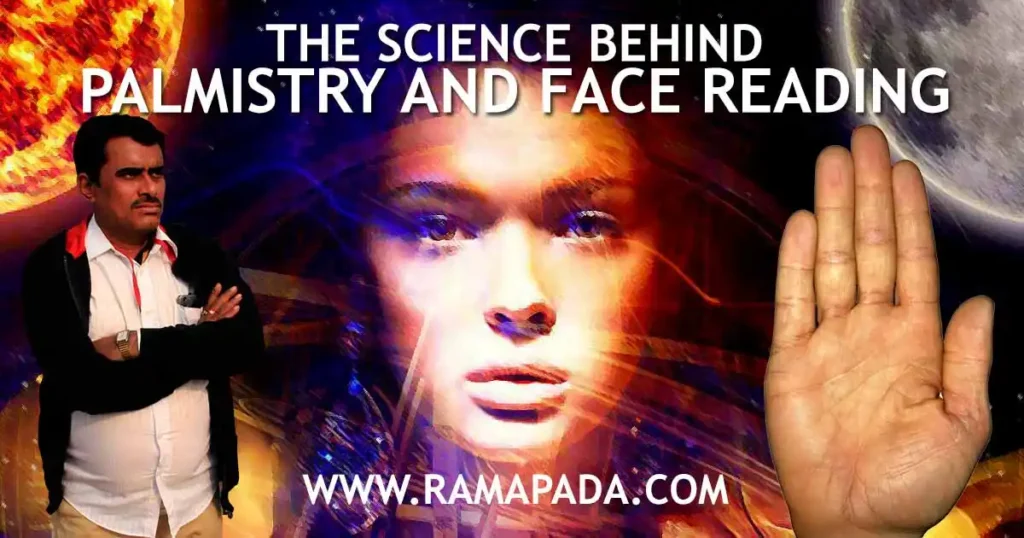
For centuries, people have looked for meaning in the lines of their hands and the features of their faces. Long before modern psychology developed, different civilizations created traditional systems for interpreting human appearance.
Two well-known examples are palmistry and face reading, also called physiognomy.
Both traditions have attracted attention because people naturally want to understand themselves and their future. However, an important distinction deserves attention: palmistry and face reading are traditional interpretive practices, not scientifically proven methods for judging personality or predicting events.
My interest in these subjects developed through my family’s background in astrology and spiritual study. Since beginning my practice in 1991, I have encountered many questions about hand lines, facial features, and their traditional meanings.
People often ask whether a particular line indicates career success or whether a facial feature reveals someone’s character. Such questions deserve careful explanations rather than confident predictions.
In traditional Indian thought, some practitioners connect physical features with karma and symbolic planetary influences.
However, these associations belong to cultural beliefs. Physical appearance cannot reliably reveal a person’s moral character, intelligence, or future.
Readers interested in the traditional relationship between astrology and facial interpretation may explore Face Reading Through Astrology.
For further background, see Planets, Signs & Houses: Basics in Astrology and Astrology and Spiritual Growth – Beyond Predictions.
What Is Palmistry?
Palmistry, also known as chiromancy, is the traditional practice of examining lines, mounts, shapes, and markings on the hands.
Different cultures developed their own methods of interpretation. Historical traditions associated with palm reading include those of:
- India, including Samudrika traditions
- China
- Greece
- Egypt
In some Indian traditions, palmistry shares symbolic ideas with astrology.
For example, practitioners associate certain areas of the hand with planets. They may also interpret the shape of the hand or the direction of major lines.
However, these interpretations do not scientifically establish personality traits, health conditions, or future events.
From my experience, people sometimes become worried after noticing a broken or unusual palm line. Yet no single marking should become a reason for fear.
A traditional palm reading should remain an explanation of cultural beliefs rather than an absolute judgment about someone’s life.
Key Elements Studied in Palmistry
Palmistry involves more than looking at a few prominent lines.
Traditional practitioners also examine the mounts, hand shape, fingers, and overall appearance of the palm.
The following sections explain the main features and their symbolic meanings.
1. The Major Lines
Three major lines receive particular attention in traditional palmistry.
Life Line
The Life Line curves around the base of the thumb.
Traditional readers often associate it with vitality, life circumstances, and major transitions.
However, the length or appearance of this line cannot reliably determine lifespan or physical health.
Head Line
The Head Line usually runs across the central part of the palm.
In traditional interpretation, it represents thinking patterns, concentration, and decision-making.
Still, the line cannot scientifically measure intelligence or mental ability.
Heart Line
The Heart Line appears across the upper part of the palm, below the fingers.
Palmists traditionally connect it with emotions, affection, and relationships.
However, its appearance cannot establish someone’s emotional stability or predict relationship outcomes.
Together, these three lines form an important part of traditional hand analysis.
Their meanings should always remain within the context of palmistry rather than become factual claims about a person’s future.
2. Mounts of the Palm
Palmistry identifies several raised areas of the hand as mounts.
Each mount carries a traditional planetary association.
For example:
- Mount of Jupiter: Traditionally associated with ambition and leadership.
- Mount of Venus: Linked with affection, beauty, and enjoyment.
- Mount of Saturn: Associated with responsibility and patience.
- Mount of Mercury: Traditionally connected with communication and practical thinking.
During a palmistry consultation, a practitioner may observe the size and shape of these areas.
However, mount shapes cannot reliably establish character traits or professional abilities.
In addition, natural differences in hand structure are common. They should never become the basis for judging another person’s worth or potential.
3. Shape of the Hand
Traditional palmistry also classifies hands according to their general shape.
A common system includes four categories:
- Earth Hands: Traditionally linked with practicality and stability.
- Air Hands: Associated with curiosity and intellectual interests.
- Fire Hands: Connected with activity, enthusiasm, and determination.
- Water Hands: Traditionally related to sensitivity and imagination.
These are symbolic classifications.
They do not provide a scientifically reliable way to identify personality types.
For this reason, a responsible practitioner should explain them as traditional concepts rather than proven psychological assessments.
The Science of Face Reading
Face reading, or physiognomy, is a traditional method of interpreting facial features.
Historically, different societies associated the forehead, eyes, nose, mouth, and chin with particular personal qualities.
However, the phrase science of face reading can be misleading.
Scientific research does not support the idea that facial structure provides a reliable measure of intelligence, morality, personality, or destiny.
The human face naturally varies because of genetics, development, age, and other factors.
Although expressions can sometimes communicate immediate emotions, permanent facial features cannot establish someone’s inner character.
From my perspective, anyone studying traditional face reading should recognize this important difference.
Cultural interpretation is one thing. Making definite judgments about another person is something entirely different.
As Ramapada Acharjee, I believe traditional practices should never encourage prejudice or unfair assumptions.
Important Facial Features Studied in Face Reading
Traditional face reading considers several facial features.
The following descriptions explain their historical symbolic associations. They should not be understood as scientifically established personality indicators.
1. The Forehead
Some traditional systems associate the forehead with thought, learning, and early life experiences.
A broad forehead may carry a symbolic meaning in these traditions.
However, forehead size or shape cannot reliably establish intelligence, judgment, or future success.
2. The Eyes
The eyes play an important role in human communication.
People may communicate feelings through eye movement, gaze, and expression.
Traditional face readers sometimes observe:
- Eye shape
- Eye movement
- Gaze
- Facial expressions around the eyes
However, eye shape cannot determine whether someone is honest, intelligent, confident, or trustworthy.
Moreover, eye contact and expression can vary across cultures and personal circumstances.
Therefore, these features should not become the basis for judging someone’s character.
3. The Nose
Some face-reading traditions connect the nose with ambition, financial circumstances, and determination.
However, there is no reliable scientific basis for predicting wealth or leadership ability from nose shape.
A person’s financial circumstances depend on many practical and social factors.
4. The Mouth and Lips
Traditional physiognomy sometimes associates the mouth and lips with communication and emotional expression.
However, lip shape does not reveal whether someone will be affectionate, loyal, or successful in relationships.
Communication depends on behavior, language, personal experience, and social circumstances.
5. The Chin and Jawline
Some traditional systems link the chin and jawline with persistence and willpower.
Nevertheless, facial bone structure cannot reliably measure determination or moral strength.
People develop resilience through personal experiences and many other influences.
For this reason, facial appearance should never determine how we evaluate another person’s abilities or character.
How Palmistry and Face Reading Complement Astrology
In some traditional systems, palmistry and face reading form part of a broader approach to astrology.
Practitioners may compare symbolic interpretations from different methods.
For example:
- Astrology: Traditionally examines planetary positions and horoscope combinations.
- Palmistry: Interprets hand lines, mounts, and shapes.
- Face Reading: Studies facial features through traditional cultural systems.
Some people find these interpretations interesting as part of their family or spiritual heritage.
However, combining several unverified methods does not make their predictions scientifically reliable.
In particular, a palm or face reading cannot confirm an exact birth time or independently prove the accuracy of a horoscope.
These practices are best understood as related traditional systems rather than objective measurements of personality or destiny.
Why Experience Matters in Traditional Practice
Today, the internet offers many explanations of palm lines and facial features.
People can find articles, photographs, and videos within seconds.
However, online information often presents traditional beliefs as definite facts.
Someone may read that a particular palm marking indicates financial loss or relationship failure. Such claims can create unnecessary worry.
For this reason, experienced and responsible guidance matters.
My introduction to astrology came through my father, Kamakhya Charan Acharjee.
I began practicing part-time in 1991 and have worked full-time since 1996.
Over the years, I have learned that people approach these subjects with very different expectations.
Some are curious about traditional symbols. Others want reassurance about marriage, work, or family concerns.
A careful discussion should consider the whole person rather than make judgments from an isolated line or facial feature.
Traditional practitioners may examine:
- The overall structure of the hand
- Major and minor palm lines
- The mounts and fingers
- Symbolic interpretations of facial features
- The questions and circumstances shared by the client
However, experience does not turn an unverified prediction into scientific evidence.
Even someone searching for the best astrologer in India should consider whether the practitioner explains these limitations.
Likewise, people exploring palmistry should avoid promises of guaranteed predictions.
The Human Side of Palmistry and Face Reading
The lasting appeal of palmistry and face reading comes partly from people’s interest in understanding themselves.
Many individuals enjoy discussing traditional meanings connected with hands and facial features.
Such discussions may encourage reflection on personal questions.
However, genuine self-understanding develops through lived experience, thoughtful observation, and honest communication.
A hand line does not define someone’s future. Similarly, a facial feature does not determine personality or moral character.
From my years of consultation, I have come to value the importance of listening carefully.
People often bring concerns that deserve patience and respect.
In my view, no traditional interpretation should leave someone feeling powerless or frightened.
Personal choices, relationships, education, and practical circumstances deserve much greater attention than symbolic predictions.
Ramapada Acharjee’s Approach
Ramapada Acharjee approaches palmistry and face reading as traditional subjects connected with India’s cultural and spiritual heritage.
His work combines long-term study with an emphasis on responsible communication.
Rather than promising miraculous results, he encourages clients to understand the traditional meaning of the symbols being discussed.
The main principles of his approach include:
- Explaining traditional interpretations in clear language
- Listening carefully to personal questions
- Avoiding fear-based predictions
- Respecting individual differences
- Encouraging practical decisions and personal responsibility
Some clients wish to discuss palmistry alongside their horoscope. Others are interested only in the cultural history of face reading.
Therefore, the consultation should reflect the individual’s interests and expectations.
Above all, these traditions should never become tools for discrimination, fear, or financial pressure.
Conclusion
Palmistry and face reading have attracted human interest for centuries.
Both traditions reflect historical attempts to interpret physical appearance and connect it with personal experience.
However, they should not be confused with scientific psychology.
Modern psychology studies behavior and mental processes through scientific methods. Palmistry and physiognomy do not provide comparable evidence for their traditional predictive claims.
Nevertheless, these subjects remain culturally important to many people.
A responsible discussion can explore their history, symbolism, and traditional meanings without presenting unsupported conclusions as facts.
In my experience, the most meaningful part of a consultation is often the conversation itself.
Every person has a different background, and no palm line or facial feature can tell the complete story of a human life.
Ultimately, awareness, personal responsibility, and thoughtful decisions matter far more than predictions.
Frequently Asked Questions
Is palmistry scientifically proven?
No. Palmistry is a traditional interpretive practice. Scientific research has not established that palm lines can reliably predict personality, lifespan, or future events.
Can face reading reveal someone’s personality?
Traditional physiognomy associates facial features with particular qualities. However, facial structure cannot reliably establish intelligence, honesty, morality, or personality.
What are the main lines studied in palmistry?
Traditional palmists commonly examine the Life Line, Head Line, and Heart Line.
They may also study other lines, mounts, and hand shapes. However, these markings do not provide scientifically reliable predictions.
Can palmistry help when birth time is unknown?
Some traditional practitioners compare palm observations with horoscope interpretations.
However, palmistry cannot scientifically establish or verify an exact birth time.
Are palmistry and face reading the same practice?
No. Palmistry focuses on features of the hands, while face reading examines facial features.
Both belong to traditional interpretive systems, but they use different methods.
Can I consult Ramapada Acharjee online?
Yes. People interested in traditional palmistry, astrology, and related subjects may arrange an online consultation.
Before booking, they can ask about the process, available appointment times, and consultation details.
Contact for Guidance
If you wish to explore traditional interpretations of palmistry, face reading, or astrology, you may contact Ramapada Acharjee.
Consultations focus on cultural and spiritual interpretations while respecting individual circumstances.
Book Your Consultation
Learn more about traditional astrology and palmistry through the website.
Consultation: Kolkata and online appointments for clients in other locations.
Call/WhatsApp: +91-98749 54063
Website: Visit Website
Important Note: Palmistry, physiognomy, and astrology are traditional interpretive practices. They are not scientifically established methods for predicting the future, determining personality, or diagnosing health conditions. Such consultations should not replace qualified medical, psychological, legal, or financial advice.
You may also read:
- Why Is Your Business Not Growing? Efforts Failing?
- Tarapeeth and Saturn Karma Cleansing
- Feeling Old at Young Age
- Spiritual Healing with Astrology
Related Category: Astrology
